When To Start Hedge Trimming?

July 12, 2022

When To Start Hedge Trimming

For landowners who are looking for a sustainable, natural way to fence off their property, hedges are a fantastic alternative. These plants offer property owners a great deal of privacy while also significantly improving the overall look of a landscape. So long as they are well-maintained, hedges can provide a nice, clean look to any lawn, yard, or garden. The best way to ensure that your hedges are properly maintained is by consulting with a professional service. So, if you are looking to learn more about hedge maintenance services, then be sure to contact us today!


When is The Best Time to Start Hedge Trimming?

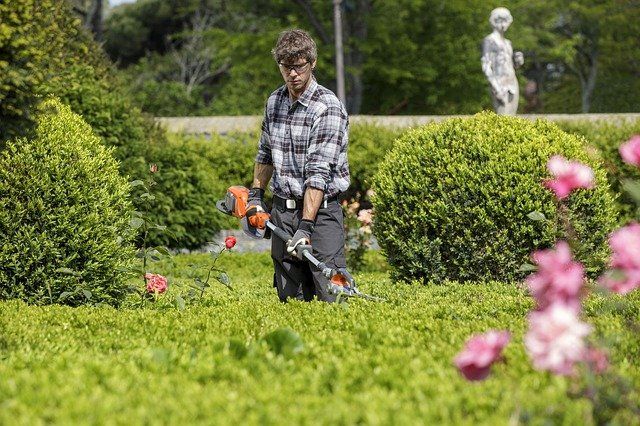
Due to plant variety, hedges can vary in their optimal prune times. However, generally speaking, the best times to tend to your shrubbery are usually during late fall, winter, or early spring. This is because hedge growth is typically in a dormant state during these times, so pruning in the winter is highly unlikely to affect new growth within your hedges. This will allow your hedges to develop properly in the spring and summer.


Furthermore, it can also be ideal to lightly trim hedges once or twice during the spring and summer months. This is simply to maintain your hedges’ overall shape and clear out any unwanted growth or debris. All in all, while every plant species is unique and the proper maintenance procedure of each plant will be different, these guidelines can serve as a good rule of thumb. Nonetheless, determining the specific type of shrubbery you have and researching the best ways to maintain them is crucial for your hedges’ health.


Benefits of Hedge Trimming:

There are numerous benefits that hedges can receive from routine trimming. For example, hedge trimming can provide:


  • Stimulation of New Growth: Hedge trimming is a great way to stimulate new hedge growth. By doing this, you are encouraging the hedge to produce new growth where you direct it, rather than allowing it to grow unruly. This results in a denser, more even-looking hedge. 
  • Removal of Diseases or Pests: Moreover, hedge trimming can help to remove any diseases or pests that have invaded your hedges. By trimming the infected areas, you can save the rest of your hedge from being infested by the disease or pests. This will also save new growth from becoming infected.
  • Removal of Debris Buildup: Hedge trimming can also aid in removing dead branches or other debris. Removing this unwanted buildup will help the growth and health of your hedges. The removal of debris can also prevent any potential injuries from occurring.
  • Aesthetic Value: Lastly, hedges can be trimmed into certain shapes or designs. This can significantly boost the aesthetic appeal of your hedges and landscape as a whole. This, in turn, can boost the curb appeal of your property.


Here at
Brantford Landscaping HeyTurf, we offer high-quality landscaping and lawn maintenance services to the entire area of Brantford, ON. If you are looking for a great hedge maintenance service, then be sure to contact us today. We can even offer you a free quote on your next project!
You might also like
February 14, 2026
The Best Time to Schedule Spring Landscaping in Brantford
April 13, 2024
Maintaining a lush, healthy lawn in Brantford, Ontario, requires a combination of knowledge about local climate conditions and strategic lawn care practices tailored to each season. Whether you're a seasoned gardener or a novice homeowner looking to elevate your lawn care game, these seasonal tips will help you nurture your green space throughout the year. Spring: Revitalize and Prep As the snow melts away and temperatures begin to rise, spring is the perfect time to kickstart your lawn care routine. Start by removing any debris or dead foliage leftover from winter to allow for proper airflow and sunlight penetration. Consider dethatching and aerating your lawn to promote healthy root growth and improve soil drainage. Early spring is also an ideal time for overseeding bare patches and applying a slow-release fertilizer to encourage lush, green growth. Keep an eye out for weeds like dandelions and crabgrass, and tackle them early before they have a chance to spread. Summer: Hydration and Maintenance Brantford summers can bring hot and dry conditions, making proper hydration essential for a thriving lawn. Water deeply and infrequently to encourage deep root growth, preferably in the early morning to minimize evaporation. Aim for between 1 and 1.5 inches of water per week, adjusting for rainfall received and changes in temperature. Regular mowing is crucial during the summer months, but remember the golden rule of lawn mowing: never cut more than one-third of the grass height at a time to prevent stress and promote healthy growth. Keep your mower blades sharp to ensure clean cuts and avoid tearing grass blades. To combat pests and diseases common during the summer, such as chinch bugs and brown patch fungus, monitor your lawn regularly and address any issues promptly. Consider applying a targeted insecticide or fungicide if necessary, but always follow label instructions carefully. Fall: Prep for Winter As temperatures cool down and summer transitions to fall, it's time to prepare your lawn for the dormant winter months ahead. Continue to mow regularly, but gradually lower the height of your mower blades to discourage disease and pest infestations. Fall is also prime time for core aeration and overseeding to repair any damage accumulated over the summer and promote thick, healthy turf. Consider applying a high-phosphorus fertilizer to strengthen root systems and enhance winter hardiness. Don't forget about leaf removal! Keep your lawn clear of fallen leaves to prevent suffocation and mold growth, especially in areas with heavy tree cover. Consider mulching leaves with a mower to add organic matter back into the soil. Winter: Minimal Maintenance Winters here in Brantford can be harsh, and your lawn will likely enter dormancy during the coldest part of the year. While lawn care tasks are minimal in winter, there are still steps you can take to protect your turf. Avoid walking on frozen grass to prevent damage, and if you do receive heavy snowfall, gently brush the snow off of delicate plants to prevent breakage. Consider applying a winterizing fertilizer in late fall to provide essential nutrients that will support your lawn's health throughout the winter months. And remember, spring will come again, so use this time to plan and prepare for the upcoming growing season. By following these seasonal lawn care tips, you can enjoy a vibrant and healthy lawn year-round. With proper maintenance and attention to detail, your green space will be the envy of the neighborhood, providing a beautiful backdrop for outdoor enjoyment and relaxation. Need help with any of these tasks? Not sure where to start? Our Brantford lawn care experts are here to help!
February 9, 2024
Brantford, Ontario boasts a unique blend of urban charm and natural beauty. For residents and landscapers alike, harnessing the indigenous flora can be a transformative journey toward sustainable and thriving landscapes. Embracing native plants not only enhances the aesthetics but also fosters biodiversity and ecological resilience. In this guide, we explore the best native plants for Brantford landscapes, offering a tapestry of colors and textures that harmonize with the local environment. Wild Bergamot (Monarda fistulosa): A perennial favorite, Wild Bergamot, also known as Bee Balm, adds a burst of lavender-hued flowers to your landscape. Its fragrant blossoms attract pollinators, including butterflies and bees, while its aromatic leaves exude a refreshing scent. Wild Bergamot thrives in well-drained soils and partial shade, making it an ideal choice for Brantford gardens. Purple Coneflower (Echinacea purpurea): With its striking purple petals and prominent cone-shaped centers, the Purple Coneflower is a quintessential native plant for Brantford landscapes. Not only does it provide a vibrant splash of color, but it is also known for its immune system-boosting properties. Drought-tolerant and resilient, this resilient perennial flourishes in both sunny and partially shaded areas. Cardinal Flower (Lobelia cardinalis): For those seeking to add a touch of fiery red to their gardens, the Cardinal Flower is an exquisite choice. Its vibrant blooms, reminiscent of a cardinal's plumage, attract hummingbirds and butterflies, creating a lively ecosystem within your backyard. Thriving in moist, rich soils, this moisture-loving perennial thrives along stream banks or in rain gardens. Switchgrass (Panicum virgatum): A native ornamental grass, Switchgrass lends a graceful elegance to Brantford landscapes with its arching foliage and delicate seed heads. Its tolerance to drought and a wide range of soil conditions makes it a resilient choice for local gardens. Switchgrass also serves as a habitat for beneficial insects and nesting birds, contributing to the ecological balance of your landscape. Goldenrod (Solidago spp.): Often unfairly associated with allergies, Goldenrod is a native perennial celebrated for its golden plumes that illuminate fall landscapes. Contrary to popular belief, it's primarily pollinated by insects rather than wind, making it an excellent choice for pollinator-friendly gardens. Its resilience to drought and poor soils makes it a low-maintenance addition to Brantford landscapes. Eastern Redbud (Cercis canadensis): Adding a splash of pink to the springtime palette, the Eastern Redbud is a native tree renowned for its delicate, heart-shaped leaves and rosy-pink blossoms. Thriving in well-drained soils and partial shade, it serves as an eye-catching focal point in Brantford gardens, attracting early-season pollinators and offering a canopy of shade during hot summer months.  Incorporating native plants into your Brantford landscape not only celebrates the region's natural heritage but also fosters a resilient and sustainable ecosystem. By supporting local wildlife, conserving water, and reducing the need for chemicals, native plants offer a myriad of benefits that extend far beyond mere aesthetics. Before embarking on your native plant journey, be sure to consider factors such as soil type, sunlight exposure, and moisture levels to ensure the optimal conditions for your chosen species. Our local landscaping and gardening experts are always available for personalized recommendations and guidance - call or email us today to see how easy and beneficial it is to incorporate native plants into your landscape!

Get a free quote!

Contact Us